
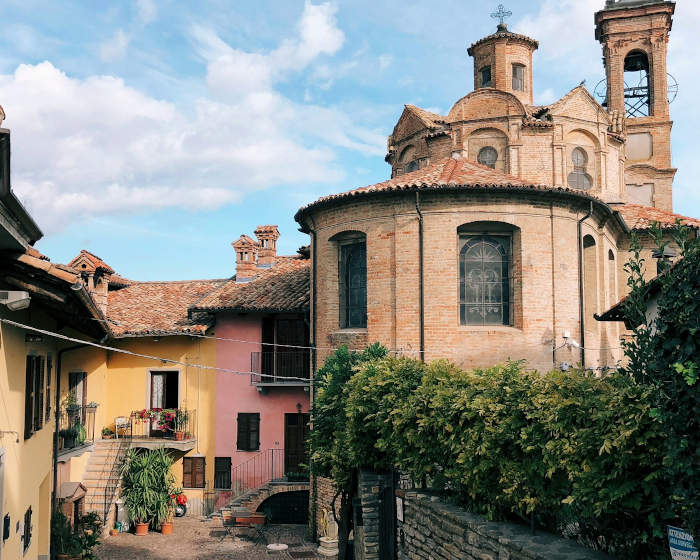
Piedmont is one of Italy’s most underrated wedding regions, with elegant royal residences, vine-covered hills, and historic cities — ideal for a refined destination celebration. This Piedmont destination wedding guide covers the best areas, venues, budgets, legal steps, and local tips to help you plan with confidence.
Before diving into the details of planning a wedding in Piedmont, take a moment to explore selected venues, vendors, and planners in the region. These listings can help you discover local options and connect directly with professionals experienced in destination weddings in Italy.
Table of Contents
- Why Choose Piedmont for Your Destination Wedding
- Best Wedding Areas and Venues in Piedmont
- Typical Wedding Budget and Costs in Piedmont
- Legal Requirements for Getting Married in Piedmont
- Best Time of Year for a Piedmont Wedding
- Step-by-Step Planning Timeline
- Working with Local Wedding Vendors in Piedmont
- Travel, Accommodation and Guest Logistics
- Frequently Asked Questions About Piedmont Weddings
- Why Use CiaoWed for Your Piedmont Destination Wedding
Why Choose Piedmont for Your Destination Wedding
Piedmont offers a refined and slightly off-the-radar alternative to Italy’s most famous wedding regions. Historic royal palaces, dramatic Alpine peaks, wine hills and elegant lakeside towns sit within a relatively compact area, giving you a wide choice of settings for a destination wedding that feels both exclusive and authentic.

Key point: Piedmont combines royal architecture, vineyard landscapes and world-class food and wine in a region that is still less saturated with weddings than Tuscany or the Amalfi Coast, making it ideal for couples who want an Italian celebration with a quieter, more intimate atmosphere.
The region’s landscapes are highly varied, which helps you match the setting to your wedding style. The Langhe and Monferrato hills are covered with vineyards and small medieval villages, perfect for rustic-chic celebrations in wine estates and country houses. Around Lake Maggiore and Lake Orta, you’ll find Belle Époque villas, historic hotels and small islands that work beautifully for elegant or romantic lake weddings. Closer to the Alps, mountain resorts and chalet-style venues are ideal if you want a winter atmosphere or dramatic panoramic views.
Food and wine are a major reason many couples choose a wedding in Piedmont. The region is home to Barolo and Barbaresco wines, truffles, artisanal cheeses and refined regional dishes that translate very well into a high-level wedding menu. For guests who are travelling a long way, the chance to enjoy serious wine tasting, truffle experiences and traditional trattorie before or after the big day can be an important added value.
Turin, the regional capital, brings a different type of charm. The city has grand piazzas, arcaded streets and former royal residences that can host sophisticated urban weddings with a strong sense of history. Turin also acts as a practical gateway for international guests, thanks to its own airport and good connections with Milan’s airports and high-speed train network.
Practical tip: When shortlisting venues in Piedmont, think about what you want your guests to experience beyond the wedding day itself. Vineyards are ideal if you want relaxed wine tastings and countryside sunsets, while lake locations work better if you prefer boat trips and scenic walks.
Another advantage is that Piedmont is generally less crowded with tourists than other Italian regions that attract destination weddings. This can translate into a calmer atmosphere around your wedding date and, in some cases, more competitive availability among venues and vendors. It also makes it easier for guests to explore local towns, wineries and viewpoints without dealing with extreme crowds.
For couples who care about guest experience, Piedmont offers a good balance between feeling “hidden” and being easy to reach. Guests can fly into Turin or Milan, spend a night in the city and then transfer to the countryside, lakes or mountains without long journeys. This combination of accessibility, variety of landscapes and strong culinary culture is what makes a destination wedding in Piedmont so appealing.
In summary: Choose Piedmont if you want an Italian destination wedding that feels elegant and authentic, with excellent cuisine, serious wine, diverse landscapes and a calmer atmosphere than the most famous wedding hotspots. It is especially suitable for couples who appreciate food, design and history and prefer a celebration that feels curated rather than overly touristic.
Best Wedding Areas and Venues in Piedmont
Piedmont offers several distinct wedding areas, each with its own atmosphere, types of venues and guest experience. Understanding the main zones helps you narrow down locations that match your style, budget and logistics from the very beginning of the planning process.

Key point: Most Piedmont wedding venues fall into four main clusters: the Langhe and Monferrato wine hills, the lake district (Lake Maggiore and Lake Orta), the city of Turin with its royal residences, and the Alpine and pre-Alpine areas. Each area delivers a different balance of scenery, formality and guest activities.
Langhe, Roero and Monferrato Wine Hills
The UNESCO-listed wine hills of Langhe, Roero and Monferrato are the most iconic choice for a vineyard wedding in Piedmont. Rolling hills covered with vines, small stone villages and panoramic viewpoints create a cinematic backdrop that works well for both intimate and mid-size celebrations.
Typical venues in this area include boutique wine estates, agriturismi with guest rooms, design-led country hotels and historic farmhouses restored as event spaces. Many properties offer exclusive use, with outdoor ceremonies overlooking the vineyards and dinners in courtyards, terraces or barrel rooms.
Couples often choose the wine hills when the wedding experience is as important as the day itself. Guests can arrive a day earlier for winery tours, cellar tastings and relaxed dinners in local trattorie. This area is particularly suitable if you want a multi-day celebration built around food, wine and relaxed countryside time.
Practical tip: In the Langhe, Roero and Monferrato area, ask venues about transport access and late-night music rules. Some properties sit on narrow country roads and may require shuttle services, and many rural municipalities have strict noise regulations after a certain time.
Lake Maggiore and Lake Orta
Lake Maggiore and nearby Lake Orta are ideal for couples who prefer romantic water views and a slightly more formal atmosphere. The lakes combine Alpine landscapes with historic villas, gardens and grand hotels, making them a strong alternative to Lake Como with a quieter, more understated feel.
On Lake Maggiore, you will find Liberty-style villas, historic hotels with private docks, and gardens facing the Borromean Islands. Lake Orta, smaller and more intimate, offers stone villages, lakeside restaurants and charming boutique hotels, often with spaces for symbolic ceremonies and receptions right on the water.
Boat transfers, welcome aperitifs on the lake and photos at sunset across the water are common highlights. This area suits couples who want scenic backdrops, a clear focus on guest comfort and a setting that feels elegant without being overly showy.
At a glance: Choose Lake Maggiore or Lake Orta if you want lakeside wedding venues with strong scenery, high-standard hotels and straightforward logistics for guests travelling from Milan’s airports.
Turin and the Royal Residences
Turin, the capital of Piedmont, offers a sophisticated urban setting with grand piazzas, arcades and historic palaces. It works particularly well for couples who enjoy architecture, design and a slightly more formal city atmosphere.
Wedding venues in and around Turin include historic palazzi, museums with event spaces, former royal residences and upscale hotels with terraces or ballrooms. Some of the Savoy royal residences and villas near the city can host ceremonies, receptions or both, combining manicured gardens with ornate interiors.
A city-based wedding in Turin often pairs well with stylish welcome cocktails in historic cafés, guided walks and cultural visits for guests. This option is especially convenient for weddings with a significant number of international guests, thanks to the city’s airport, train links and accommodation range.
Important: For historic palaces and royal residences, check carefully which parts of the property are included in the rental fee, what is allowed in terms of decoration, and any restrictions on candles, fireworks or amplified music.
Alps and Mountain Resorts
In the western and northern parts of Piedmont, the landscape rises towards the Alps, with ski resorts and mountain villages that lend themselves well to winter or shoulder-season weddings. These areas are ideal for couples who enjoy outdoor activities, snow, and crisp mountain air.
Venues here include chalet-style hotels, mountain lodges and resort complexes with wellness centers. Some offer panoramic terraces for ceremonies, fireplaces for cozy receptions and the possibility of snow photos in winter months. In summer, the same locations work for green-mountain weddings with hiking and outdoor sports.
This area is best suited to smaller or medium-sized groups of guests who appreciate an active stay and are comfortable with mountain travel and cooler evening temperatures, even outside peak winter.
Castles, Villas and Countryside Estates Across Piedmont
Beyond the best-known areas, Piedmont has a wide network of castles, villas and countryside estates scattered across provinces like Asti, Alessandria, Cuneo and Novara. Many of these properties sit just outside small towns, combining scenic views with relatively easy logistics.
Castles often feature internal courtyards, stone halls and towers with panoramic views. Villas tend to have gardens, frescoed rooms and terraces. Some estates also offer on-site chapels, making it easier to keep ceremony and reception at the same location or within a very short distance.
Vendor tip: When evaluating less famous countryside venues, ask which suppliers they regularly work with and how experienced those vendors are with international weddings. Established local teams can make a significant difference in communication and coordination.
Overview of Key Areas and Venue Types
The table below gives a simplified overview of how the main wedding areas in Piedmont differ in style and practical aspects. Use it as a starting point before you dive deeper into specific venues.
| Area | Typical Venue Types | Overall Style | Best For |
|---|---|---|---|
| Langhe, Roero, Monferrato | Vineyard estates, agriturismi, country hotels | Rustic-chic, food and wine focused | Multi-day stays, wine lovers, relaxed but curated weddings |
| Lake Maggiore & Lake Orta | Lakeside villas, historic hotels, restaurants with terraces | Romantic, scenic, slightly more formal | Boat trips, elegant receptions, mixed-age guest groups |
| Turin & Royal Residences | City palazzi, museums, royal villas, luxury hotels | Elegant, urban, architectural | Design-conscious couples, weekend city weddings, easy access |
| Alps & Mountain Resorts | Chalets, ski resorts, lodges | Cozy, scenic, seasonal | Winter weddings, small sporty groups, intimate celebrations |
| Castles & Countryside Estates | Castles, villas, historic estates with gardens | Classic, historic, flexible | Destination guests who enjoy charming towns and slower travel |
In summary: Start by choosing the Piedmont area that matches your vision — vineyards, lakes, city, mountains or countryside castles. Once that is clear, it becomes much easier to shortlist wedding venues, estimate logistics and brief your planner or local vendors on the atmosphere you want to create.
Typical Wedding Budget and Costs in Piedmont
The cost of a destination wedding in Piedmont depends mainly on guest numbers, venue type, level of service and whether you host a single wedding day or a multi-day celebration with on-site accommodation. For a well-organised wedding with around 50 guests in Piedmont, a realistic overall budget (including main vendors) often falls roughly between €35,000 and €70,000, with higher figures for luxury venues, elaborate decor or extended stays.

Key point: For most international couples, a quality destination wedding in Piedmont sits in the mid to upper range for Italy: typically from the mid–€30,000s for a carefully managed event with 40–60 guests, up to €70,000 or more for multi-day villa stays, fine-dining menus and high-end design.
Main Factors That Influence Your Budget
Before looking at individual cost items, it helps to understand what drives your overall spend:
- Guest count: Catering, drinks, table settings and transport scale directly with the number of guests. Reducing the guest list is usually the most effective way to control costs.
- Area and venue type: Lakefront villas and historic palaces near Turin tend to sit at a higher price point than simpler agriturismi or countryside estates in the wine hills.
- Season and day of the week: Peak dates (weekends in June, September and early October) are more expensive and book up quickly. Shoulder-season or mid-week dates can help negotiate better rates.
- Length of stay: A 3-night villa or wine estate rental for a core group of guests will significantly increase the budget compared with a one-day venue hire, but it also turns the event into a full holiday experience.
- Service level: Full-service planning, extensive decor, live bands and premium photo-video teams will push costs up, while a more minimal setup with fewer extras will keep the budget in check.
Typical Cost Ranges by Category
The figures below are indicative ranges for weddings in Piedmont and similar Italian regions, assuming a mid-range to high-quality event with around 50 guests. Actual quotes will vary by venue, season and negotiation.
-
- Venue rental and on-site accommodation: Roughly €8,000–€25,000+ depending on whether you book a one-day event space, a countryside agriturismo or a multi-night villa or wine estate with rooms for part of the group.
- Catering and drinks: Around €150–€250 per person for a full Italian wedding meal (aperitivo, multi-course dinner, wine) and several hours of bar service. For 50 guests, this often means €7,500–€12,500+ for food and at least €2,500–€5,000 for drinks and bar.
- Wedding planner and coordination: Typically €3,000–€8,000 depending on the service level (full planning vs. partial planning or day-of coordination) and event complexity.
- Flowers and décor: For bouquets, ceremony setup, table flowers and some styling elements, many couples invest between €3,000 and €10,000, with higher figures for large-scale installations or elaborate design concepts.
- Photography and videography: Professional teams for a full wedding day usually range from about €3,000 to €8,000 or more, depending on experience, hours of coverage and whether you book both photo and video.
Important: Many venues and wedding caterers in Piedmont do not include extras like after-dinner bar, extended music hours, furniture upgrades or late-night snacks in their initial quotes. Always ask for a detailed written breakdown so you understand what is included and what will be added as extra charges.
- Hair, makeup and attire-related services: For the couple and potentially a few guests, beauty services may add €500–€2,000+ to the budget, depending on the number of people and trials.
- Transport and logistics: Airport transfers for the couple, shuttles for guests to/from the venue and late-night transport typically require at least €1,000–€3,000 in a realistic Piedmont wedding budget.
- Legal fees and translation: If you opt for a legally binding ceremony in Italy, plan for several hundred euros in town hall fees, translations and, if needed, a local interpreter. Symbolic ceremonies often have lower administrative costs.
Important: Many venues and caterers in Italy do not include extras like after-dinner bar, extended music hours, furniture upgrades or late-night snacks in their initial quotes. Always ask for a detailed written breakdown so you understand what is included and what will be added as extra charges.
Example Budget Breakdown for a 50-Guest Wedding
The following table provides an example of how a mid-range budget could be distributed for a 50-guest destination wedding in Piedmont. It is not a fixed rule, but it can help you structure your own spreadsheet and set realistic expectations.
| Category | Typical Share of Total Budget | Example Amount (for €45,000 total) |
|---|---|---|
| Venue rental & on-site accommodation | 35% | ≈ €15,750 |
| Catering & drinks | 35% | ≈ €15,750 |
| Wedding planner & coordination | 8% | ≈ €3,600 |
| Flowers & decor | 8% | ≈ €3,600 |
| Photography & videography | 8% | ≈ €3,600 |
| Music & entertainment | 6% | ≈ €2,700 |
Items such as beauty services, stationary, favors, small decor upgrades and contingency usually come on top or are handled within the smaller categories according to your priorities. Some couples may choose to invest more heavily in photography and decor, while keeping entertainment or transport simpler, or vice versa.
Budget tip: When you request quotes in Piedmont, ask vendors to specify clearly what changes when you add or remove 10 guests. This helps you see the true impact of guest count on your budget and makes it easier to decide whether you prefer a more generous per-person experience or a higher number of attendees.
How Piedmont Compares to Other Italian Regions
Compared with ultra-famous areas such as parts of the Amalfi Coast or certain luxury spots on Lake Como, many venues in Piedmont offer slightly more value for money at a similar quality level. You can often secure a high-standard vineyard or countryside estate with excellent food and wine at a cost that would only cover a more basic option in the most saturated destinations.
However, it is important not to assume that “less known” automatically means “cheap”. Top-level villas, castles and lakefront hotels in Piedmont still charge premium rates, especially on peak dates. The main advantage is that you often have a broader range of price points and styles within the same region, which makes it easier to tailor the celebration to your budget.
In summary: For a destination wedding in Piedmont with around 50 guests, most couples should plan for an overall budget starting around €35,000 for a well-organised but streamlined event, rising to €70,000 or more for multi-day celebrations in premium venues. Clear quotes, careful control of guest numbers and deliberate choices about what matters most will help you use your budget effectively.
Legal Requirements for Getting Married in Piedmont
Because Piedmont is part of Italy, the legal framework for getting married is the same as in the rest of the country. The details can vary slightly between municipalities, but the core principles and documents are similar for foreign couples choosing a civil, religious or symbolic wedding here.

Key point: To have a legally valid wedding in Piedmont, most foreign couples must organize a civil ceremony under Italian law, either at the town hall or in an authorized venue, and provide specific documents such as passports, birth certificates and a Nulla Osta (certificate of no impediment) issued by their own authorities.
Main Ceremony Options in Piedmont
- Civil ceremony: Performed by a mayor or civil registrar, usually at the town hall (Comune) or in an officially approved venue (some villas, castles or historic buildings have civil ceremony authorization). This is the simplest way to obtain a marriage certificate recognized internationally.
- Religious ceremony with civil validity: In some cases, a Catholic wedding can have both religious and civil effect if all legal paperwork is completed in advance and the priest is authorized to register the marriage with the Italian authorities. Requirements must be checked with both the parish and the local town hall.
- Symbolic ceremony: A non-legal ceremony led by a Piedmont wedding celebrant, friend or family member at any venue. Many couples complete the legal civil marriage in their home country (or in a simple town hall ceremony in Italy) and use the symbolic ceremony in Piedmont for the celebration with guests.
Practical tip: If your main priority is the experience and you want to keep paperwork simple, consider doing the legal civil marriage at home or at a town hall in Italy on a separate day, then plan a symbolic ceremony at your chosen venue in Piedmont.
Basic Legal Requirements for Foreign Couples
Specific rules depend on your nationality, marital history and local town hall, but most foreign couples need to satisfy these general conditions:
- Be legally free to marry according to the law of your own country (single, divorced or widowed, with proper documentation).
- Be at least 18 years old (or meet any additional requirements for younger parties, where applicable).
- Provide valid identification (usually passports for both partners).
- Provide evidence of birth (long-form birth certificate, often translated and legalized).
- Provide proof of termination of any previous marriage (divorce decree or death certificate, translated and legalized).
- Obtain a certificate confirming that there is no legal impediment to your marriage — typically a Nulla Osta, Certificate of Legal Capacity to Marry or similar document, depending on your country.
Important: Requirements for the Nulla Osta or equivalent document vary by nationality and are set by your own government and consulate. Always confirm procedures directly with your embassy or consulate in Italy and with the town hall where you plan to marry.
Core Documents You Will Usually Need
The table below summarizes the main documents that most foreign couples are asked for when planning a legal wedding in Piedmont. Exact requirements may differ by nationality and municipality.
| Document | Purpose | Usually Issued By |
|---|---|---|
| Valid passports | Primary identification for both partners | Your home country |
| Long-form birth certificates | Proof of birth details and civil status | Authorities in your place of birth |
| Nulla Osta / Certificate of No Impediment | Confirms you are legally free to marry | Your embassy/consulate in Italy or competent authority at home |
| Atto Notorio / sworn declaration (if required) | Additional sworn statement about your marital status | Italian consulate abroad or Italian court/notary |
| Divorce decree / death certificate | Proof that any previous marriage has legally ended | Civil authorities in your home country |
| Translations and legalization / Apostille | Make foreign documents legally acceptable in Italy | Sworn translators and competent authorities (e.g. for Apostille) |
All foreign documents generally need to be translated into Italian and either legalized or apostilled, depending on which international conventions your country has signed. Some consulates require you to obtain the Apostille or legalization before they issue the Nulla Osta or similar certificate.
Procedural Steps with the Town Hall
Once you have collected the required documents, the next stage is to work with the town hall (Comune) in the municipality where the wedding will take place. Typical steps for a civil wedding in Piedmont include:
- 1. Contact the wedding office: Reach out to the Ufficio Matrimoni of your chosen Comune (for example Turin, Alba, Asti or Stresa) to obtain their updated list of requirements, accepted languages for documents and timing for bookings.
- 2. Submit documents: Send scanned copies in advance, then present originals in person when requested. Some town halls accept couriered documents; others require the couple to appear in person before the ceremony.
- 3. Declaration of intent to marry: You may need to make a formal declaration at the town hall confirming your intention to marry. If you do not speak Italian, an interpreter is usually required.
- 4. Marriage banns and waiting period: Italian law often requires the publication of marriage banns for a short period. In some circumstances, foreign couples not resident in Italy can obtain exemptions or simplified procedures; the town hall will advise based on your case.
- 5. Civil ceremony: The ceremony usually takes place at the town hall or, if permitted, in an authorized venue such as a villa or castle. You will need two witnesses and, where necessary, an interpreter.
- 6. Marriage certificate: After the ceremony, the Ufficiale di Stato Civile issues your Italian marriage certificate. You can request multiple copies and later obtain an Apostille or further legalization if needed for recognition in your home country.
Planning tip: Start the legal process at least six to nine months before your wedding date if you are organizing a full civil ceremony in Piedmont. This allows time to obtain documents, secure appointments at consulates and coordinate with the local town hall.
Legal vs Symbolic: Choosing the Right Approach for Your Situation
Some couples decide that the administrative effort of a fully legal ceremony in Italy is worth it, especially if they appreciate having everything in one place and time. Others prefer to separate the legal and celebratory aspects: they complete the civil marriage in their home country or in a simple appointment in Italy, then focus on a symbolic ceremony at a vineyard, castle or lakeside venue in Piedmont.
Both options are widely accepted by Italian venues and planners. The right choice depends on your nationality, timeline, comfort level with paperwork and whether you have easy access to your consulate for Nulla Osta and other documents.
In summary: To marry legally in Piedmont, you must meet the general Italian requirements (including a Nulla Osta or equivalent document, translated and legalized certificates, and a civil ceremony under Italian law) and follow the specific procedures of your chosen town hall. Begin early, keep close contact with your consulate and the Comune, and consider a symbolic ceremony if you prefer a more flexible approach.
Best Time of Year for a Piedmont Wedding
Piedmont has a mainly continental climate, with warm summers, crisp autumns, cold winters and a gentle, flower-filled spring. The “best” time for your destination wedding will depend on the type of scenery you prefer — vineyard hills, lakes, city or mountains — and how sensitive you and your guests are to heat, cold and rain.

Key point: For most vineyard, countryside and lake weddings in Piedmont, the most popular months are late May, June, September and early October. These periods usually offer pleasant temperatures, long-enough daylight and a good balance between lush landscapes and guest comfort.
Spring (April to June): Fresh Landscapes and Mild Temperatures
Spring is one of the most attractive seasons for weddings in the Langhe, Roero and Monferrato wine hills and around the lakes. From late April onwards, vines and gardens become green again, and temperatures are generally mild, especially in May and June.
- Pros: Fresh greenery, blooming gardens, softer light for photos, generally comfortable daytime temperatures and a relaxed atmosphere before the peak summer season.
- Cons: April and early May can still bring changeable weather and showers; evenings may be cool, especially in the hills and at higher elevations, so outdoor dinners sometimes require heaters or blankets.
Spring works particularly well if you want a daylight ceremony with an early dinner, or a long aperitivo outside followed by an indoor reception. It also suits guests who prefer to avoid strong summer heat.
Planning tip: If you choose an April or early May date, ask venues to show you their bad-weather plan in detail. Check where the ceremony and aperitivo would move if rain arrives and how this affects the flow of the day.
Summer (July and August): Long Days and Stronger Heat
In July and August, temperatures in much of Piedmont can be hot during the day, especially on the plains and in the cities. In the wine hills, heat is often softened by breezes in the evening, while lake areas can feel warmer and more humid. Mountain resorts are cooler and are often at their best in mid-summer.
- Pros: Very long days, vibrant sunsets, high chance of dry weather, and ideal conditions for late dinners outdoors and extended dancing in the open air. Mountain and higher-altitude venues are especially appealing in this period.
- Cons: Midday heat can be intense away from the mountains; some afternoon thunderstorms are common; certain popular tourist towns and lakeside resorts can be busy with holidaymakers.
Important: For weddings in July or August, avoid planning an outdoor ceremony in the early afternoon. Aim for a later start (for example, 4–6 pm) to reduce discomfort from heat and bright sun, and provide shaded areas, fans and plenty of water for guests.
If you love the idea of a summer wedding in Piedmont but are worried about heat, consider venues in the hills or mountains, or choose early July rather than the very peak of August.
Autumn (September to November): Harvest Season and Rich Colors
Autumn is a signature season for Piedmont, especially in the wine regions. September and early October often combine stable weather with warm afternoons and cooler, comfortable evenings. Vineyards turn from green to shades of gold and red, and local towns focus on harvest and truffle festivals.
- Pros: Beautiful vineyard colors, pleasant temperatures in September and early October, strong gastronomic appeal (wine, truffles, seasonal menus) and slightly softer tourist pressure than in high summer.
- Cons: Days become shorter, particularly by late October and November; fog and rain are more frequent as you move further into the season, especially in low-lying areas and valleys.
Autumn is ideal if your wedding concept revolves around food and wine. Many couples choose an afternoon ceremony followed by a sunset aperitivo and a cozy dinner that can be moved indoors if the evening turns cooler.
At a glance: If you are planning a vineyard wedding in Piedmont and want reliable conditions plus strong local flavor, late September and early October often offer an excellent combination of atmosphere, comfort and seasonal products.
Winter (December to March): City Lights and Alpine Atmosphere
Winter weddings in Piedmont are less common, but they can be very effective for couples who enjoy a more intimate, atmospheric setting. In Turin and other historic cities, you can take advantage of festive lights, elegant interiors and often more flexible availability at venues and hotels.
In the Alps and mountain resorts, winter offers snow, fireplaces and a cozy atmosphere that works well for smaller groups, especially if you build the celebration into a ski or mountain holiday.
- Pros: Unique ambiance, lower competition for dates at some venues, potential cost advantages on certain services, and a strong sense of “destination” for guests who enjoy snow sports or Christmas-period travel.
- Cons: Short daylight hours, colder temperatures, possible travel disruptions due to weather, and the need for a clear indoor plan for almost all parts of the event.
Logistics tip: If you choose a winter date, plan your timeline around daylight — for example, an earlier ceremony followed by a long lunch or early dinner — and make sure transport to and from the venue is reliable in case of snow or ice.
Season Overview for Different Piedmont Wedding Styles
The table below summarizes which seasons typically work best for different types of wedding locations in Piedmont. Use it as a quick orientation tool before you fix a date.
| Wedding Style / Area | Best Months | Notes |
|---|---|---|
| Vineyard & countryside estates (Langhe, Roero, Monferrato) | May–June, September–early October | Green landscapes in late spring; harvest colors and food festivals in early autumn. |
| Lake Maggiore & Lake Orta venues | Late May–June, early July, September | Lakeside ceremonies and boat trips work best with stable, warm but not extreme weather. |
| Turin city weddings & royal residences | April–June, September–December | Spring and autumn for comfort; winter for festive, indoor celebrations with city lights. |
| Alpine & mountain resorts | January–March, July–August | Snowy winter weddings or cool summer escapes with outdoor activities. |
In summary: If you want the safest balance of good weather, beautiful landscapes and guest comfort in Piedmont, focus on late spring (May–June) and early autumn (September–early October). Adjust within those windows depending on your preferred setting — vineyards, lakes, city or mountains — and always check sunset times and backup plans before confirming the date.
Step-by-Step Planning Timeline
A clear timeline helps you coordinate vendors in Piedmont, manage travel for guests and keep legal paperwork on track. The outline below assumes you start planning roughly 12 – 18 months before the wedding, which is ideal for securing popular venues and dates, especially in peak months.

Key point: Treat your Piedmont wedding as both an event and a trip. The most effective timelines align venue booking, legal requirements and vendor selection with flights, accommodation and guest communications.
18 – 12 Months Before: Vision, Budget and Location
- Define your overall vision: Decide the type of wedding you want in Piedmont – vineyard, lake, city or mountains – and what kind of guest experience you want to create (relaxed weekend, multi-day wine stay, elegant city event, winter escape).
- Set a realistic budget: Use indicative ranges for Piedmont (venue, catering, planner, photo, decor, travel) to establish a working budget and a list of priorities, such as photography or food and wine.
- Shortlist areas and venue types: Narrow down whether you are focusing on Langhe/Monferrato wine hills, Lake Maggiore / Lake Orta, Turin and royal residences, or Alpine/mountain resorts.
- Research planning support: Decide if you will work with a local wedding planner, plan mostly on your own or use partial-planning services. For complex logistics and multi-day events, professional support is strongly recommended.
- Check legal options: Decide early whether you want a legal civil ceremony in Italy, a religious ceremony with civil validity, or a symbolic ceremony combined with a separate legal marriage in your home country.
Planning tip: If you are flexible on dates, ask venues in Piedmont for their availability in your preferred month rather than insisting on a single day. This can open up better options and sometimes more favorable conditions.
12 – 9 Months Before: Secure the Venue and Core Vendors
- Visit or schedule virtual tours: If possible, plan a short trip to Piedmont to visit shortlisted venues. If travel is not feasible, organize detailed video calls and virtual tours with venue coordinators.
- Book your venue and date: Once you are confident about the location, secure the venue contract and pay the deposit. Confirm what is included (spaces, timings, furniture, backup plan, staffing, cleaning).
- Confirm ceremony plan with the Comune: If you want a legal ceremony in Piedmont, contact the relevant town hall to confirm the process, required documents and available time slots.
- Book key vendors: Secure your wedding planner (if using one), photographer, videographer and main entertainment (band or DJ). These suppliers often have limited availability in peak months.
- Block guest accommodation: Reserve a block of rooms near the venue or in the most convenient town for your guests. Ask about minimum stays, cancellation policies and group rates.
- Share a save-the-date: Once the date and general location are confirmed, send digital save-the-dates so guests can start planning flights and holiday time.
9 – 6 Months Before: Guest Experience and Legal Preparation
- Launch your wedding information page: Create a simple website or information sheet with travel options, accommodation suggestions, approximate schedule and local tips for Piedmont.
- Start legal paperwork: Based on guidance from your embassy/consulate and the town hall, begin collecting birth certificates, divorce documents if applicable, and any documents that require translation and legalization.
- Plan the ceremony structure: Decide whether you will have readings, live music, personal vows or traditional formats. Begin working on the order of service with your officiant or celebrant.
- Outline the menu concept: Discuss general catering ideas with your venue or caterer – formal seated dinner, family-style service, tasting menu, late-night snacks – and highlight any dietary requirements you anticipate.
- Define overall design direction: Work with your planner or stylist on color palette, decor style, floral approach and how to reflect Piedmont (vines, seasonal produce, local materials) in your design.
- Organize any pre- or post-wedding events: Consider a welcome aperitivo in a local town, a wine tasting, a relaxed lunch or a farewell brunch for guests who stay multiple days.
Important: Do not leave consular appointments or Nulla Osta procedures to the last minute. Some consulates and town halls have limited slots and strict processing times, especially near peak wedding months.
6 – 3 Months Before: Details, Logistics and Confirmations
- Finalize vendor bookings: Confirm remaining suppliers such as florist, bridal hair and makeup in Piedmont, additional musicians, transport providers, lighting and any decor rental companies.
- Menu tasting and choices: If possible, schedule a tasting in Piedmont or work remotely with your caterer to finalize appetizers, main courses, dessert, cake and wine pairings.
- Complete legal documents: Submit necessary paperwork to the town hall within the requested time frame and verify that everything has been accepted. Ensure you understand when and where you must appear in person.
- Send formal invitations: Include clear information about the date, location, dress code, RSVP deadline and a link to your wedding information page or portal.
- Plan guest transport: Arrange shuttles between key hotels and the venue, especially if access roads are rural, parking is limited or guests may not want to drive after the reception.
- Refine decor and layout: Decide on table shapes, seating plan layout, ceremony setup and signage. Provide your planner and venue with any specific requirements.
Logistics tip: For countryside and vineyard venues in Piedmont, ask explicitly about night-time regulations, local noise rules and the latest acceptable end time for music and bar service.
3 – 1 Months Before: Final Timeline and On-the-Day Structure
- Create a detailed timeline: Define the schedule from the start of preparations to the end of the reception, including buffer times for transport, photos, speeches, cake cutting and first dance.
- Confirm guest numbers: Track RSVPs and provide an accurate headcount to your venue and caterer by their deadline. This affects seating, food, drinks and transport logistics.
- Finalize ceremony and music choices: Confirm readings, music tracks for key moments (processional, recessional, first dance) and any specific announcements with your band or wedding DJ in Piedmont.
- Complete seating plan: Allocate guests to tables based on relationships, language and mobility needs. Share the plan with your planner, venue and catering team.
- Check legal and administrative details: Ensure the town hall has all final documents and that you have understood exactly when to attend any pre-ceremony appointments.
- Share timelines with vendors: Send the final schedule, contact list and any last-minute instructions to all suppliers, including contingency arrangements in case of weather changes.
Final Weeks and Wedding Day
- Prepare travel and emergency plans: Confirm your own flights, transfers and accommodation. Share emergency contact numbers and local information with key guests and the wedding party.
- Pack important documents and essentials: Keep passports, legal papers, insurance details and digital backups of all contracts and timelines in an easily accessible folder.
- Walk through the plan on-site: If you arrive a few days before, do a quick review of the venue with your planner or coordinator, checking ceremony layout, photo spots and guest flow.
- Delegate responsibilities: Assign specific roles (rings, speeches, family coordination, social media) to trusted friends or family members so you can stay focused on the day itself.
- Wedding day: Follow the agreed timeline but allow for natural flexibility. Rely on your planner or venue coordinator to handle scheduling and supplier coordination while you enjoy the experience.
In summary: A structured 12 – 18 month planning timeline for a Piedmont wedding allows you to secure the right venue, keep paperwork under control and design an experience that works for both you and your guests. Adapt this framework to your own circumstances, but keep key milestones — venue booking, legal steps, core vendors and guest logistics — clearly scheduled from the beginning.
Working with Local Wedding Vendors in Piedmont
The quality of your destination wedding in this region depends heavily on the local team you build around your venue. Planners, caterers, photographers, florists and Piedmont wedding musicians turn your ideas into a concrete timeline that works within Italian rules, local logistics and the specific characteristics of your chosen area.

Key point: The most successful Piedmont weddings rely on a core group of local vendors who know the region’s venues, language, logistics and legal framework, combined with a clear communication structure and written agreements that match international expectations.
Why Local Expertise Matters in Piedmont
Piedmont is not a single homogeneous setting. A vineyard estate in the Langhe, a lakeside villa on Lake Maggiore and a palace in Turin each have different rules, technical requirements and logistical constraints. Local vendors understand these differences and can anticipate issues that are difficult to see from abroad.
- Knowledge of venues: Local planners, caterers and wedding photographers in Piedmont already know where the light is best, how transport works, where suppliers can unload equipment and which backup spaces are realistic if weather changes.
- Language and administration: Many vendors speak good English, but they also communicate daily with Italian-speaking staff, venue managers and town halls, which is crucial for smooth coordination.
- Regional products and seasonality: Piedmont is strongly linked to wine, truffles and seasonal cuisine. Local professionals can suggest menus, decor and experiences that make sense at your chosen time of year.
- Understanding of local rules: Noise regulations, fire safety, outdoor music limits and alcohol service rules vary between municipalities. Experienced local vendors work within these limits without compromising the atmosphere.
Practical tip: When you first contact vendors in Piedmont, ask them which venues they work at most often and how they usually collaborate with the local town hall, caterers and other suppliers. Their answers give you a quick sense of their experience level.
Which Vendors to Source Locally
You can, in theory, bring in any vendor you like, but certain roles are particularly efficient when filled by professionals based in Piedmont or nearby regions.
- Wedding planner / coordinator: A planner based in Piedmont or northern Italy can visit venues easily, attend tastings, check logistics, manage Italian-speaking suppliers and guide you through local procedures.
- Catering and cake: Most venues either have in-house catering or work with a small group of approved caterers. Using these teams simplifies logistics and ensures familiarity with the kitchen, service flow and regional products.
- Florist and decor: Piedmont wedding florists know which varieties are available or reliable in specific months and understand how heat, wind or humidity in the area might affect arrangements.
- Photographer and videographer: Professionals who regularly work in Piedmont know the light conditions at your venue and can plan efficient routes for portraits without wasting time on the day.
- Music and technical suppliers: Piedmont live wedding bands, DJs and rental companies (sound, lighting, staging) understand noise limits, power supply constraints and the practicalities of setting up at rural or historic venues.
- Transport providers: Local drivers are familiar with narrow country roads, one-way systems in historic towns and parking restrictions around lakes or city centers.
For other services – stationery, website, some elements of design – couples often use trusted suppliers from home, especially when remote communication is easier in their native language.
Local vs Home-Based Vendors: A Quick Overview
The table below offers a simplified view of which vendor types are usually best sourced locally in Piedmont and which can more easily come from your home country.
| Vendor Type | Best Sourced | Notes |
|---|---|---|
| Wedding planner / coordinator | Local (Piedmont / Italy) | On-the-ground support, Italian language and venue relationships are highly valuable. |
| Catering & cake | Local | Regional ingredients, logistics and health regulations favor local teams. |
| Florist & decor rental | Local | Access to seasonal flowers and local rental warehouses simplifies setup. |
| Photo & video | Local or specialist destination teams | Choose someone experienced in Italy; local knowledge of light and locations is a strong advantage. |
| Band / DJ & AV equipment | Mainly local | Transporting heavy gear from abroad is costly; local suppliers know venue constraints. |
| Stationery, website, digital design | Home country or remote | Easy to handle remotely; no need for them to be physically in Piedmont. |
Important: If you bring key vendors from abroad (for example, a photographer, planner or band), remember to budget for travel, accommodation and possible per diems, and confirm who is responsible for booking and paying for these items.
Communication, Language and Working Style
Most established wedding vendors in Piedmont who work with international clients communicate confidently in English, but working patterns and expectations can still differ from what you are used to at home.
- Choose communication channels: Agree early on how you will communicate (email, shared documents, video calls) and how often you expect updates.
- Summarize decisions in writing: After each call or meeting, send a short email recap. This helps avoid misunderstandings and becomes a useful reference closer to the wedding.
- Clarify response times: Ask vendors what their typical response time is during the season and which period is busiest for them. This will help you set realistic expectations.
- Use visual references: Mood boards, sample photos, playlists and sketches help bridge any language gaps and ensure you are aligned on style and atmosphere.
Coordination tip: Consider appointing one central contact – often your planner – to be the hub for all vendor communications in Piedmont. This keeps information consistent and reduces the risk of conflicting instructions.
Contracts, Payments and Practical Protections
Clear contracts and payment structures are essential when you are booking services remotely in a different country. Reputable vendors in Piedmont will typically provide detailed proposals and contracts that outline what is included, what is excluded and how cancellations are handled.
- Contracts and language: Ask for contracts in English or for a bilingual version. If only an Italian contract is possible, consider having it translated so you fully understand your obligations.
- Deposits and installments: Many vendors request a non-refundable booking fee (deposit), followed by one or more installments. Clarify exact due dates and what happens if you need to change the date.
- Payment methods: Bank transfers are common for Italian suppliers, though some also accept card payments. Check any extra fees for international transfers and who covers them.
- Tax and receipts: Confirm whether prices include VAT and request proper invoices or receipts for each payment.
- Cancellation and force majeure: Make sure the contract clearly covers postponements, cancellations and unforeseen events, including what is refundable and what is not.
Important: Always verify bank details through a trusted channel before sending large transfers and avoid paying full amounts far in advance unless this is standard practice and clearly justified in the contract.
Making the Most of Site Visits and Tastings
If you plan a planning trip to Piedmont before the wedding, treat it as a working visit rather than just a tour. With careful scheduling, even a short stay can be highly productive.
- Group meetings: Ask your planner or venue coordinator to organize multiple vendor meetings on the same day (for example, venue walk-through, florist meeting and a short photo session to scout locations).
- Menu and wine tasting: Use your time on-site to confirm the menu, taste local wines and finalize details such as dessert tables, late-night snacks and coffee service.
- Test logistics: Drive or ride from the hotel area to the venue at the same time your guests will travel on the wedding day, so you can adjust schedules realistically.
- Visual planning: Take photos and videos of key spaces and share them with vendors who cannot attend in person, such as designers or remote family members.
In summary: Working effectively with local wedding vendors in Piedmont means combining their regional knowledge and established networks with clear communication, structured contracts and a realistic view of what can be achieved within your budget and timeline. A cohesive local team will not only deliver services, but also interpret the region’s food, landscapes and traditions in a way that makes your celebration feel both smooth and genuinely Piedmontese.
Travel, Accommodation and Guest Logistics
A smooth travel and accommodation plan is essential for a successful destination wedding in Piedmont. Good logistics help guests arrive relaxed, find their way easily and enjoy the region beyond the wedding day itself.

Key point: Think of your Piedmont wedding as a coordinated trip for your guests. Choose a clear arrival airport, suggest one or two base towns for accommodation and arrange simple transport to and from the venue.
Getting to Piedmont: Main Gateways for International Guests
Piedmont is well connected to the rest of Europe and beyond, mainly through nearby international airports and Italy’s high-speed train network.
- Turin Airport (TRN): The most obvious gateway to the region and very convenient for weddings in Turin, the surrounding countryside and some areas of the wine hills. From here, guests can reach the city by train, bus or taxi in around 30–40 minutes.
- Milan Malpensa (MXP) and Milan Linate (LIN): Major international hubs with frequent long-haul and European flights. They are particularly practical for weddings around Lake Maggiore, Lake Orta and eastern parts of Piedmont. From Milan, guests can connect by train or car in roughly 1–2 hours, depending on the destination.
- High-speed trains: Turin is served by high-speed trains from cities such as Milan, Rome, Florence and Naples. This is ideal for guests who combine your wedding with wider travel in Italy.
Practical tip: In your invitations and wedding information page, clearly recommend one or two main arrival airports and provide simple train or shuttle suggestions, rather than listing every possible option. This reduces confusion for guests.
Local Transport: Moving Guests Around Piedmont
Once in Piedmont, guests will travel between airports, base towns, hotels and your venue. The exact plan depends on whether your wedding is in the wine hills, lakes, city or mountains.
- Private transfers and shuttles: For vineyard and countryside weddings, private transfers are often the easiest option. You can arrange group shuttles from a meeting point (for example, a central hotel or train station) to the venue, especially on the wedding day.
- Car rentals: Many guests may prefer to rent a car, particularly if they plan to explore wine areas or lakes before or after the wedding. Remind them that country roads can be narrow and that drinking and driving laws are strictly enforced.
- Taxis and local services: In smaller towns and rural areas, taxis may be limited and must be booked well in advance, especially late at night. Your planner or venue can usually recommend reliable local drivers.
- City transport (Turin): In Turin, guests can often rely on taxis, ride-hailing apps where available and public transport for non-wedding days, with shuttles or private coaches just for the wedding itself.
Important: Do not assume that guests will easily find taxis at midnight in rural areas or near vineyard venues. If your celebration is outside a major town, arrange return transport in advance and communicate pick-up points and times clearly.
Choosing Where Guests Should Stay
Accommodation strategy depends on the style of your wedding and how spread out your guests will be. In Piedmont, you typically have three main approaches:
- On-site accommodation at the venue: Many agriturismi, wine estates and some villas offer rooms or apartments for a limited number of guests. This is ideal for the wedding party and close family, and it creates a relaxed “house party” feel over several days.
- Nearby town or village as a base: For larger groups, choose one or two towns within reasonable driving distance of the venue (for example, Alba or Asti for the wine hills, Stresa or Orta San Giulio for the lakes). Guests can book hotels or apartments there and use shuttles on the wedding day.
- City-based stay with transfers: If you are marrying in the countryside but want to simplify travel, you might base guests in a city like Turin or a well-connected town, then arrange transport to and from the venue.
Whichever option you choose, provide guests with a short list of recommended hotels and approximate price ranges. This helps them decide quickly and reduces back-and-forth questions.
Accommodation tip: Reserve room blocks where possible, especially if your wedding takes place during a local festival, truffle season or peak summer. Ask for clear release dates so unused rooms return to general sale at a specific point.
Structuring the Guest Experience Over Several Days
Many couples treat a destination wedding in Piedmont as a weekend or long-weekend event with multiple touchpoints for guests. A simple structure might look like this:
- Day 1 – Arrival and welcome: Guests arrive and check into their accommodation. In the evening, you host a relaxed welcome aperitivo in a wine bar, trattoria or small restaurant, allowing people to meet before the wedding day.
- Day 2 – Wedding day: Focus entirely on the ceremony and reception, with shuttle services aligned with your official timeline.
- Day 3 – Farewell brunch or casual lunch: A simple gathering at the venue or in town, giving guests time to say goodbye and explore the area further if they stay longer.
Beyond official events, many guests will organize their own activities. In the wine hills, they might visit wineries or viewpoints; near the lakes, they can take boat trips; in Turin, they can explore museums and historic cafés. Providing a short “local guide” with a few curated suggestions is often appreciated.
Information to Share with Guests
To keep your guests comfortable and confident, share practical details well in advance. This can be done through a wedding website, a PDF guide or a dedicated section in your invitations.
- Travel instructions: Recommended airports, train routes, approximate transfer times and basic advice on booking tickets.
- Accommodation suggestions: Names of hotels and guesthouses, booking links or codes, and any deadlines for group rates.
- Local orientation: Basic information about the town or area, such as the nearest ATM, pharmacy, typical opening hours and local customs (for example, later dining times).
- Dress code and climate: Guidance on expected temperatures, footwear for vineyard or cobblestone locations and whether evenings can be cool.
- Language and etiquette: A few simple Italian phrases and notes about tipping practices and restaurant reservations can go a long way.
Important: If your venue is remote or difficult to find, provide guests with precise GPS coordinates, clear written directions and a note to download maps offline in case mobile signal is weak.
Accessibility and Special Guest Needs
Finally, consider any guests who may have mobility issues, young children or other specific needs.
- Mobility: Check whether the venue has lifts, ramps or accessible bathrooms and how far guests must walk on gravel, grass or slopes. Communicate any challenges clearly in advance.
- Families with children: Suggest family-friendly accommodation options and confirm whether the venue can provide high chairs, changing facilities or a quiet space for naps.
- Dietary requirements: Collect information about allergies or dietary preferences early and share it with the caterer in a structured way.
- Health and insurance: Encourage guests to take out travel insurance and bring any necessary medication, especially if they plan to join activities such as hiking or skiing in the mountains.
In summary: Strong logistics for travel, accommodation and guest management turn your Piedmont wedding from a beautiful event into a complete, stress-free experience. Choose clear arrival points, provide concise guidance and organize reliable transport to and from the venue so guests can focus on enjoying both your celebration and the region.
Frequently Asked Questions About Piedmont Weddings
Is Piedmont a good choice compared with more famous regions like Tuscany or Lake Como?
Piedmont is an excellent alternative if you want refined scenery, strong food and wine and a calmer atmosphere. It offers vineyard hills, lakes, royal residences and mountain landscapes, often with slightly less tourist pressure than the most famous destinations. For many couples, it feels more authentic and less crowded, while still offering high-quality venues and services.
What is the best time of year to get married in Piedmont?
For most vineyard, countryside and lake weddings, the most popular periods are late May–June and September–early October. These months usually bring comfortable temperatures, long enough days and attractive landscapes. Summer works well for mountain and higher-altitude venues, while winter is ideal for smaller city or Alpine weddings that focus on indoor spaces and atmosphere.
How far in advance should we start planning a wedding in Piedmont?
Ideally, you should start planning 12–18 months in advance, especially if you are targeting peak months and high-demand venues. This gives you time to compare locations, secure your preferred date, organize legal paperwork if you want a civil ceremony in Italy and coordinate travel plans for guests. Smaller elopements or weekday weddings can sometimes be organised in a shorter timeframe, but starting early keeps your options open.
What budget should we expect for a 50-guest wedding in Piedmont?
For a well-organised destination wedding in Piedmont with around 50 guests, many couples end up in a range from roughly €35,000 to €70,000 or more, depending on venue type, length of stay and level of design and services. Vineyard estates and lake villas with multi-night stays, premium catering and full planning support will push the budget to the higher end, while simpler agriturismi and streamlined decor can keep it in the lower or mid range.
Is it complicated to organize a legal civil ceremony in Piedmont?
The process requires organisation but is manageable with clear guidance. You will need standard documents such as passports, birth certificates, proof of termination of any previous marriage, a Nulla Osta or equivalent certificate from your own authorities and legal translations and legalization where required. The town hall in the municipality where you marry will confirm the exact procedure. Many couples work with a planner or rely on the town hall and consulate for support.
Can we have a legal ceremony at a vineyard or castle, or only at the town hall?
By default, legal civil ceremonies in Italy take place at the town hall. However, some municipalities in Piedmont authorize certain villas, castles or historic buildings as official satellite venues for civil weddings. In those cases, the ceremony can be legally valid on-site. Check with your chosen venue and the local Comune to see which spaces are authorized; otherwise you can combine a town hall civil ceremony with a symbolic celebration at the venue.
Is a wedding planner essential for a Piedmont wedding?
A planner is not legally required, but often very helpful, especially for non-Italian-speaking couples and more complex events. A local planner can coordinate suppliers, handle communication with town halls, supervise logistics in rural areas and manage the wedding day so you do not have to deal with practical issues. For very small elopements or simple town hall ceremonies, some couples choose to work directly with the venue and local vendors instead.
How easy is it for guests to reach Piedmont from abroad?
Most international guests arrive through Turin Airport or Milan’s airports, then continue by train, private transfer or rental car. Travel times to key areas are usually between one and two hours from Milan and shorter from Turin, depending on the exact location of your venue. Clear instructions, suggested routes and pre-arranged shuttles for the wedding day make the journey straightforward even for guests who have never visited Italy before.
Does the wine and truffle season affect availability and prices?
Yes. Harvest periods and truffle season (especially in the Langhe and Monferrato) attract visitors from all over the world. This can increase demand for hotels, restaurants and some venues, particularly in late September and October. If you are planning a wedding in those weeks, it is important to book early and to reserve accommodation blocks for guests as soon as your date is confirmed.
Is Piedmont suitable for small weddings or elopements?
Piedmont works very well for intimate celebrations. Many vineyard estates, boutique hotels and small lakeside venues can host elopements and micro-weddings, with tailored menus and flexible use of spaces. You can keep the group small, focus on a strong food and wine experience and still take advantage of the region’s landscapes and towns for photos and pre- or post-wedding activities.
Why Use CiaoWed for Your Piedmont Destination Wedding
CiaoWed helps you quickly find and compare trusted wedding vendors in Piedmont — from vineyard venues and planners to photographers, florists, bands and transport providers. You can search by region and vendor type, view detailed profiles and shortlist suppliers that match your style, budget and dates.
The platform is free to use for couples. All inquiries go directly to the vendors, with no booking fees for you or for them, which helps keep overall costs more transparent and often more competitive. By using CiaoWed as your starting point, you save research time and build a local team in Piedmont with clear, direct communication.
 Comments